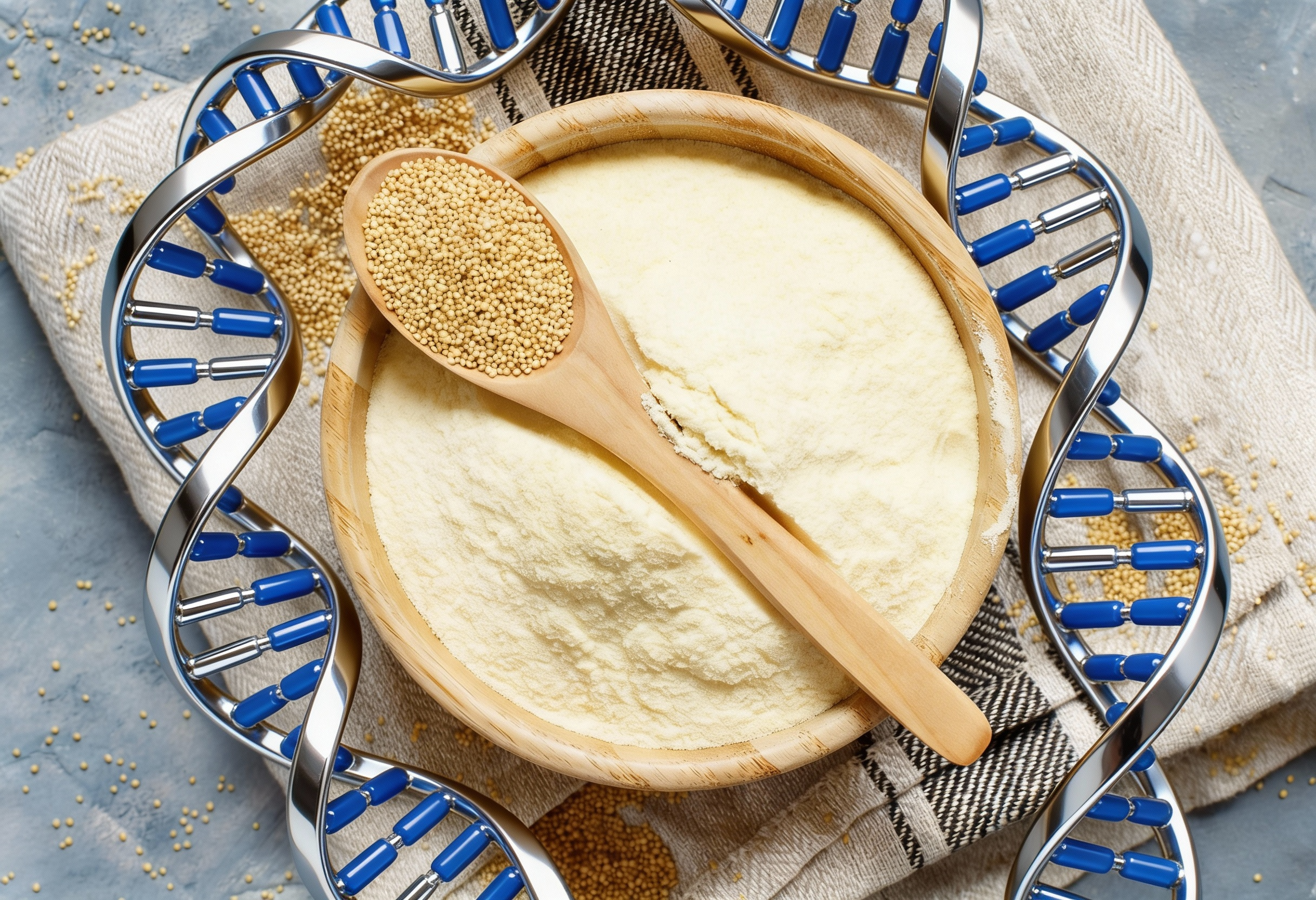
Swiss nucleotides – high bioavailability through individual selection of the best nucleotides, highest quality and purity
In the field of nutritional supplements, terms such as "nucleotides," "RNA," "RNA yeast extract," and "yeast nucleotides" are often used interchangeably. From a scientific point of view, however, there are clear differences between these groups of raw materials—particularly in terms of purity, standardization, accompanying substances, and, above all, bioavailability.
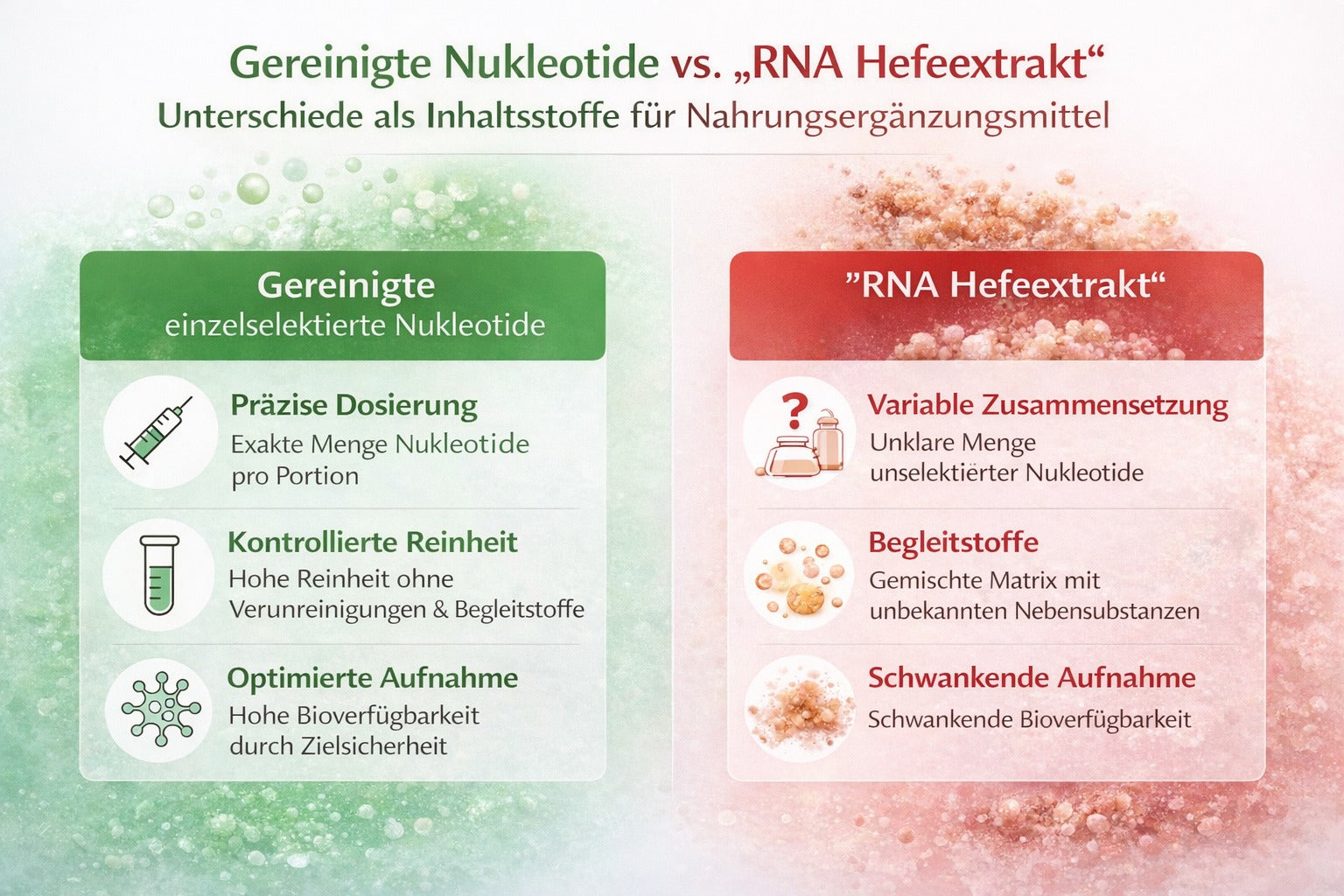
Individually selected, purified nucleotides offer decisive advantages here: they enable precise dosing, are free of undesirable accompanying substances, and have significantly higher bioavailability than non-specific RNA blends or yeast extracts. This makes them the superior and more controllable choice in many areas of application.
This approach guarantees maximum quality, safety, and effectiveness—setting the gold standard for modern, scientifically based nutritional supplements.
Our nucleotides are extracted from yeast using an innovative, multi-stage process, purified to a high degree, and strictly controlled in accordance with Swiss quality standards. Unlike conventional RNA yeast extracts or non-specific nucleotide mixtures, we rely on individually selected, purified nucleotides with maximum bioavailability.
This targeted selection and standardization means you benefit from optimal absorption in the body, maximum purity, and proven safety. Our products are vegan, free from additives, and regularly tested by independent laboratories. Each batch is traceable and meets the highest standards of quality and effectiveness – Made in Switzerland.
Vegana Natura stands for scientifically based dietary supplements that have been specially developed for discerning users, athletes, vegans, and health-conscious individuals. Discover the difference that genuine Swiss nucleotide supplements offer.
Our dietary supplements are based on more than 30 years of research in the field of nucleotides and micronutrients. Under the leadership of Dr. Peter Köppel, a leading Swiss biochemist, we develop products that are based on the latest scientific findings and offer maximum effectiveness.
Whether for athletes, vegans, or health-conscious individuals, nucleotides naturally support cell regeneration, the immune system, and intestinal health.
Through the targeted selection and purification of individual nucleotides, we offer
a dietary supplement that is characterized by purity, standardization
and maximum traceability. Our supplements are
vegan, laboratory-tested and free of unnecessary additives – ideal for
discerning users, athletes and vegans.
Put your trust in certified Swiss quality and benefit from
dietary supplements that combine safety, transparency, and innovation
.
In the field of nutritional supplements, terms such as "nucleotides," "RNA," "RNA yeast extract," and "yeast nucleotides" are often used interchangeably. From a scientific point of view, however, there are clear differences between these groups of raw materials—particularly in terms of purity, standardization, accompanying substances, and, above all, bioavailability.
Individually selected, purified nucleotides offer decisive advantages here: they enable precise dosing, are free of undesirable accompanying substances, and have significantly higher bioavailability than non-specific RNA blends or yeast extracts. This makes them the superior and more controllable choice in many areas of application.
This approach guarantees maximum quality, safety, and effectiveness—setting the gold standard for modern, scientifically based nutritional supplements.
Our nucleotides are extracted from yeast using an innovative, multi-stage process, purified to a high degree, and strictly controlled in accordance with Swiss quality standards. Unlike conventional RNA yeast extracts or non-specific nucleotide mixtures, we rely on individually selected, purified nucleotides with maximum bioavailability.
This targeted selection and standardization means you benefit from optimal absorption in the body, maximum purity, and proven safety. Our products are vegan, free from additives, and regularly tested by independent laboratories. Each batch is traceable and meets the highest standards of quality and effectiveness – Made in Switzerland.
Vegana Natura stands for scientifically based dietary supplements that have been specially developed for discerning users, athletes, vegans, and health-conscious individuals. Discover the difference that genuine Swiss nucleotide supplements offer.
Our dietary supplements are based on more than 30 years of research in the field of nucleotides and micronutrients. Under the leadership of Dr. Peter Köppel, a leading Swiss biochemist, we develop products that are based on the latest scientific findings and offer maximum effectiveness.
Whether for athletes, vegans, or health-conscious individuals, nucleotides naturally support cell regeneration, the immune system, and intestinal health.
Through the targeted selection and purification of individual nucleotides, we offer
a dietary supplement that is characterized by purity, standardization
and maximum traceability. Our supplements are
vegan, laboratory-tested and free of unnecessary additives – ideal for
discerning users, athletes and vegans.
Put your trust in certified Swiss quality and benefit from
dietary supplements that combine safety, transparency, and innovation
.
Maximum purity & transparent manufacturing
Our nucleotide supplements are produced in a certified Swiss laboratory under the strictest controls. Each batch is laboratory-tested and traceable—for maximum transparency and safety. We deliberately avoid fillers, colorants, and unnecessary additives. The individually selected nucleotides undergo strict output controls, and we place great importance on reproducible quality.
Scientifically based formulations
Our products are based on the latest scientific findings on the optimal composition and bioavailability of nucleotides. The formulas are developed by experienced experts and continuously refined to ensure the highest standards in nutritional supplements.
In terms of bioavailability, individually selected nucleotides are generally the more direct and efficient form.
Sustainable & Vegan – Responsibility for People and the Environment
Vegana Natura stands for vegan dietary supplements without animal-
e ingredients. Our nucleotides are obtained purely from yeast. We value sustainable production processes and environmentally friendly packaging—for conscious consumers who appreciate quality
and responsibility.
For sensitive target groups or when maximum control is required, compatibility often favors individually selected nucleotides.
Buy nucleotides – individually selected nucleotides, Swiss quality, highest purity, and innovation with Vegana Natura
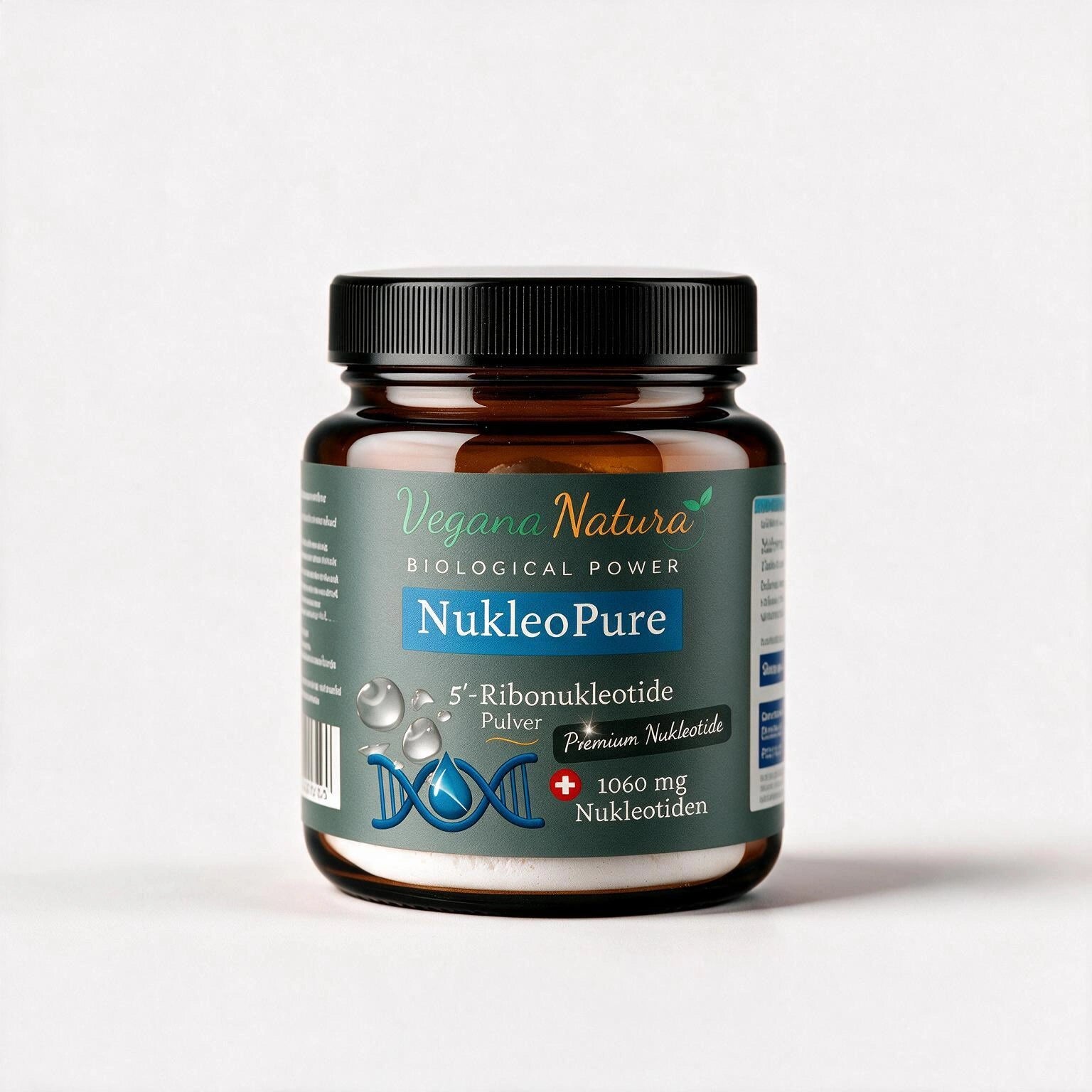
Vegana Natura is your specialist if you want to buy high-quality nucleotides. Our nucleotide supplements are developed and produced according to the strictest Swiss quality standards—vegan, laboratory-tested, and free from unnecessary additives. Thanks to an innovative manufacturing process using plant-based yeast, we guarantee maximum purity, optimal bioavailability, and transparent, traceable production.
Our individually selected nucleotides differ significantly from conventional RNA yeast extracts or mixtures: they are precisely standardized, highly pure, and tailored to the needs of discerning users. Whether for athletes, vegans, or health-conscious individuals, Vegana Natura stands for nutritional supplements that combine science, responsibility, and Swiss precision.
Trust in over 30 years of research and experience in the field of nucleotides. Our nucleotide products are continuously developed by experts and meet the highest standards of quality, safety, and transparency. If you want to buy nucleotides, choose a Swiss supplement that sets new standards in purity and innovation.
Discover our lab-tested nucleotide supplements now and experience the difference of genuine Swiss quality – for conscious consumers who value transparency, sustainability, and scientific excellence. Buying nucleotides from Vegana Natura guarantees lab-tested quality and purified, individually selected nucleotides.
Conclusion
The key advantage of individually selected
nucleotides over RNA yeast extract lies in:
- higher purity and standardization
- Better bioavailability (direct
availability as monophosphates) - Precise, controllable dosing
- Lower exposure to accompanying substances (e.g., purines,
yeast components)
For a defined, easily controllable nucleotide supply (
), individually selected nucleotides are therefore the more scientifically rigorous choice in many cases (
).
Note: This article is for
informational purposes only and does not replace medical advice. If you have existing
conditions (e.g., gout/hyperuricemia) or are taking medication, you should consult a specialist before
taking dietary supplements.
Technical classification at Vegana Natura
The development and classification of our
nucleotide approaches is carried out in collaboration with Dr. Peter Köppel
(biochemist with many years of research experience in the field of nucleotides).
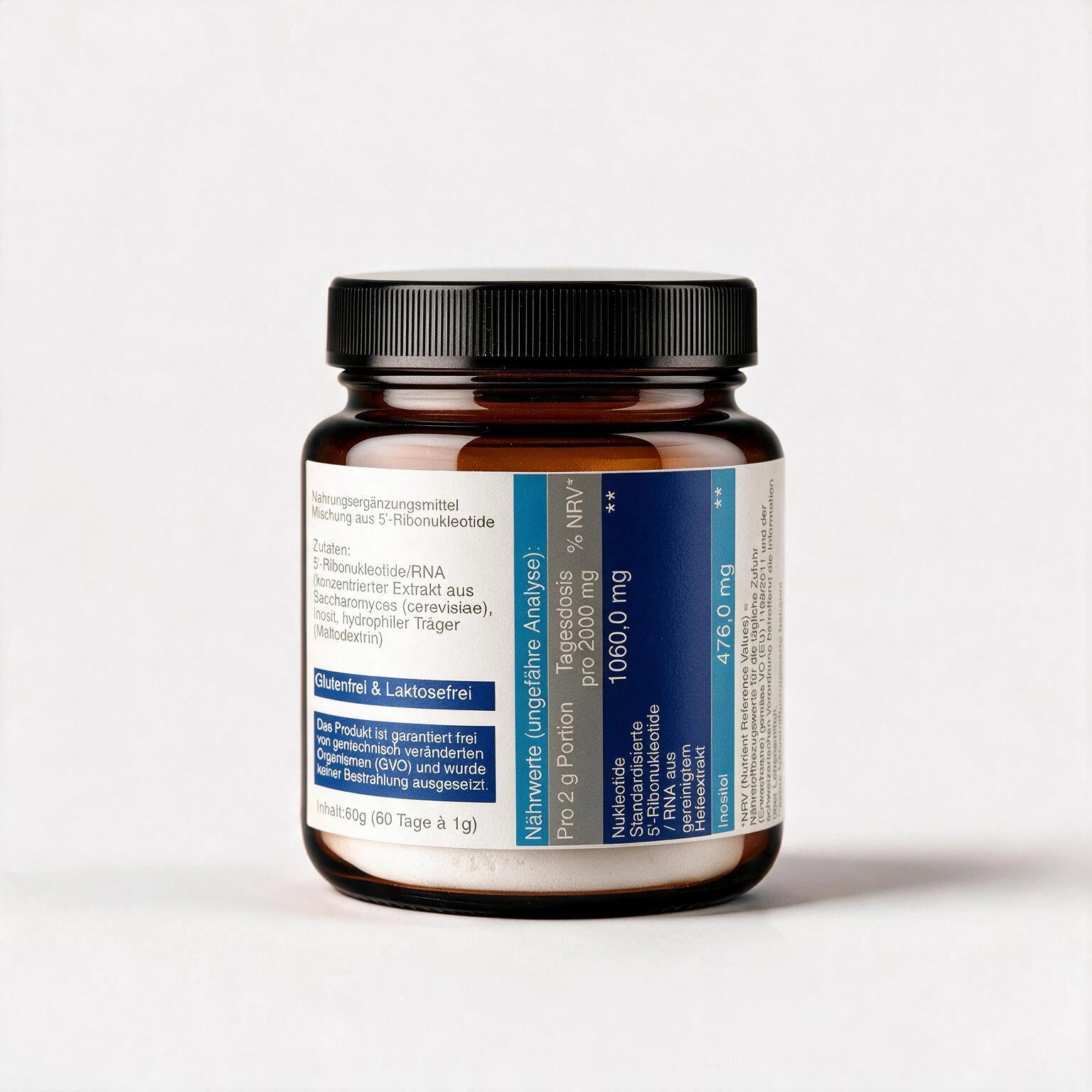
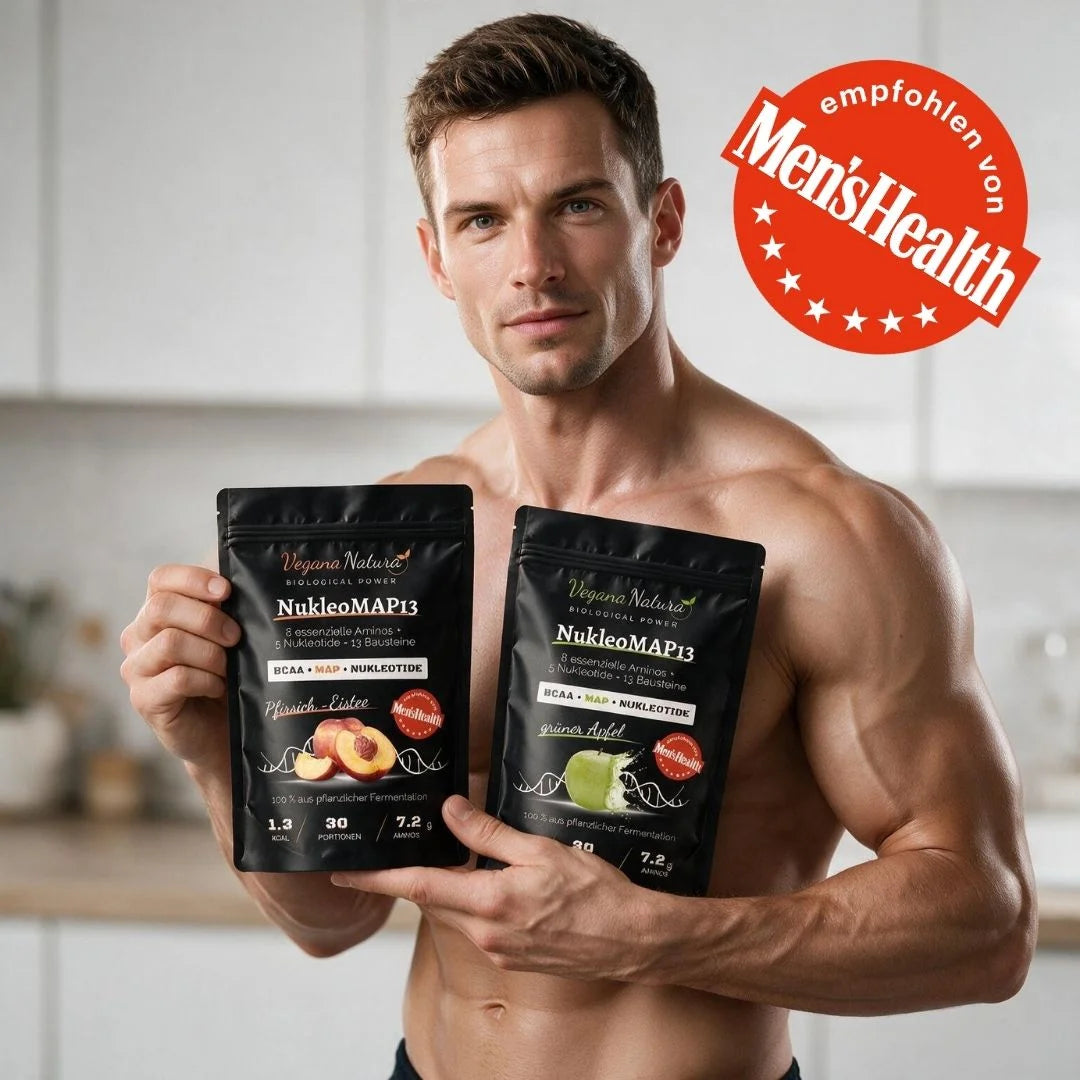
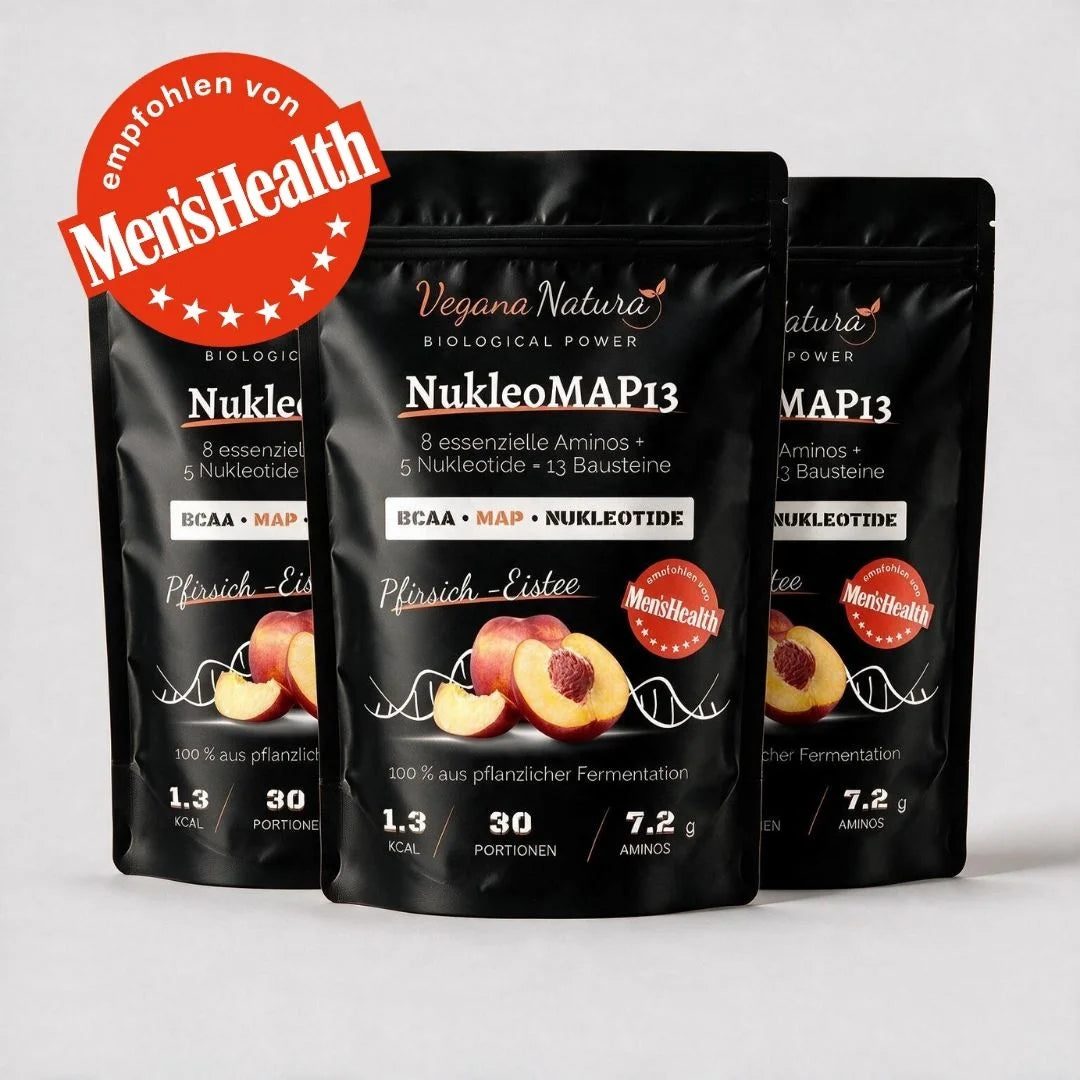
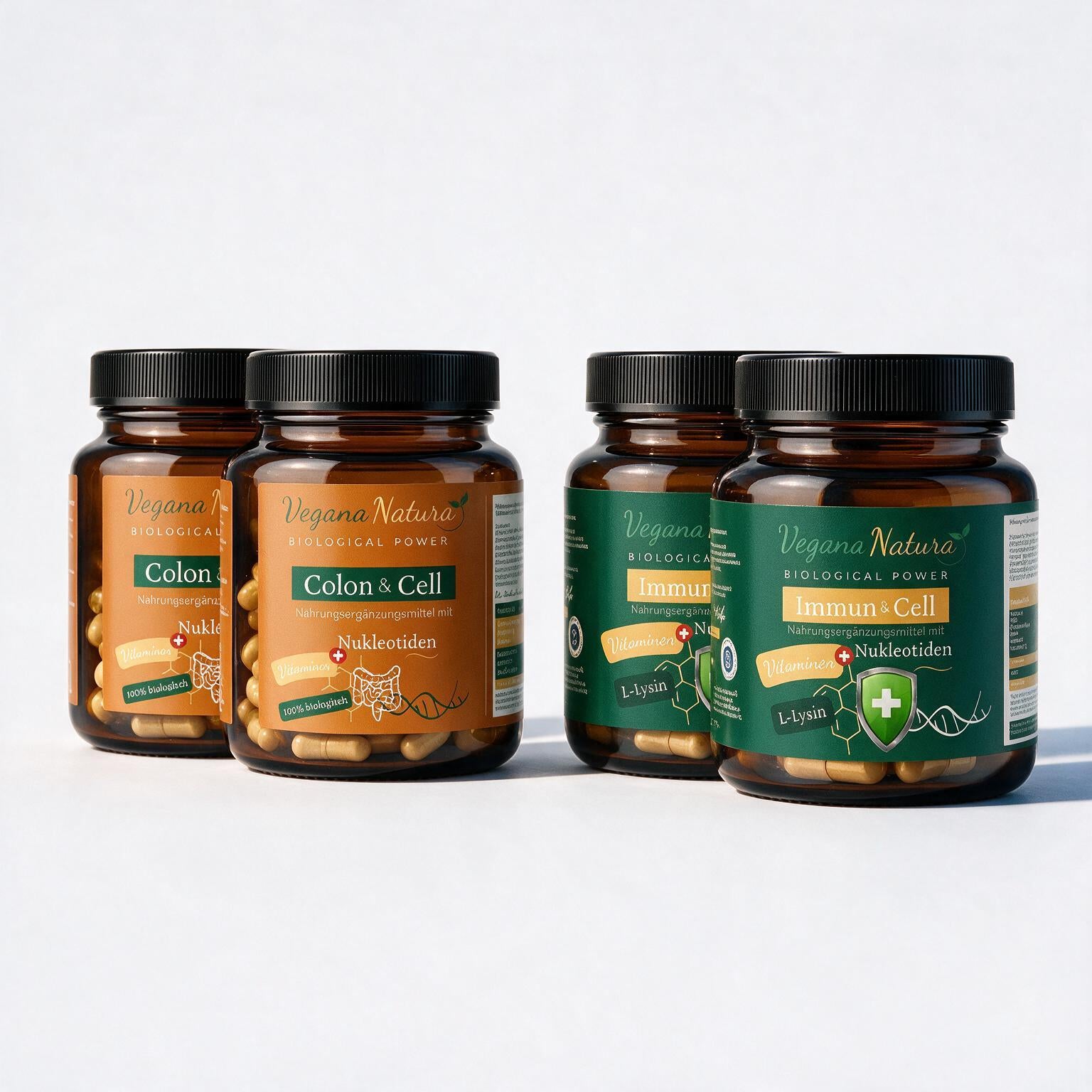
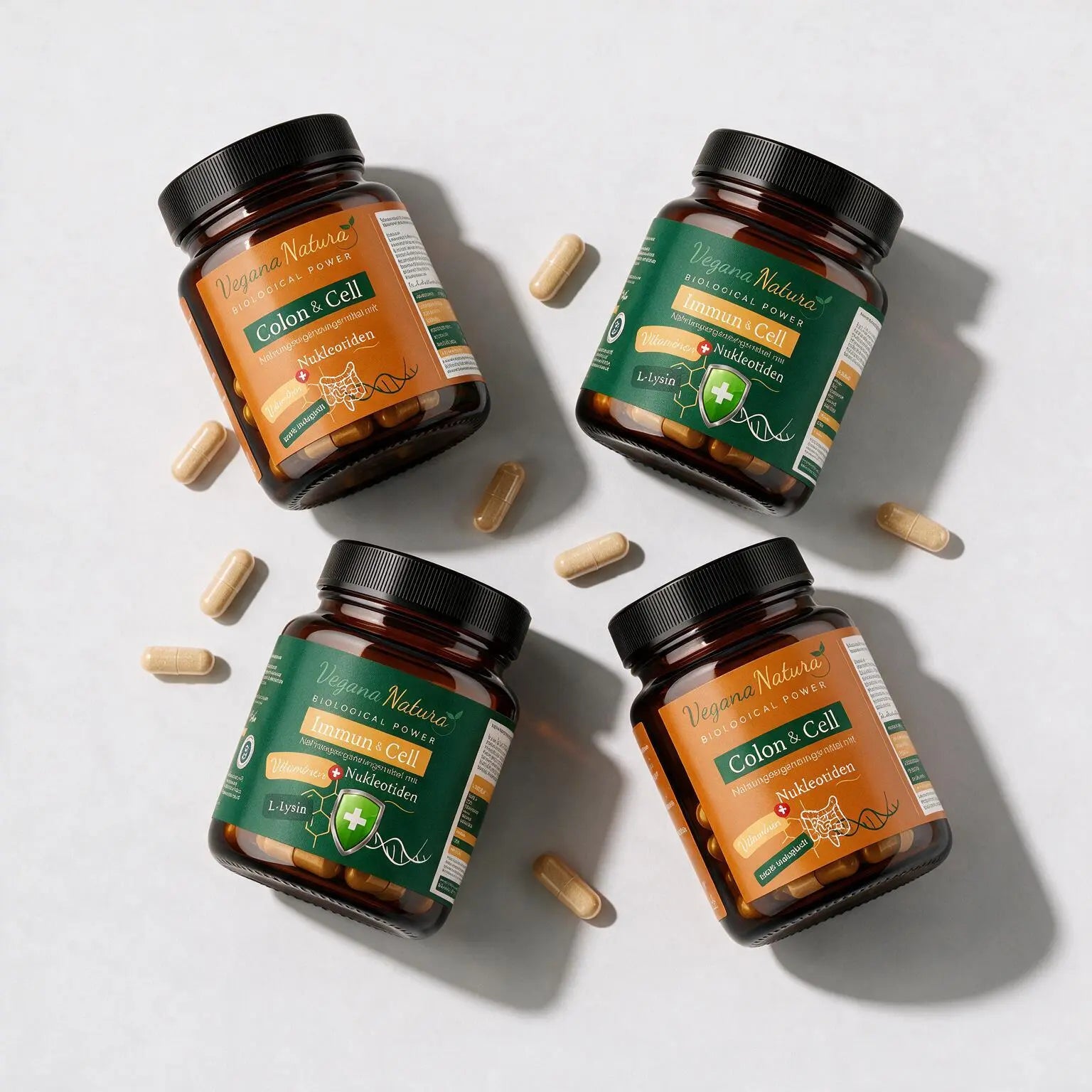
Buy nucleotides: Our top products for sports, recovery, and the immune system
Frequently asked questions about nucleotides, NMN, NAD+, and the best nucleotides
Would you like to learn more about nucleotides, nucleotide supplements, NMN, NAD+, and the benefits of Swiss quality? In our FAQs, you will find answers to the most important questions about buying nucleotides, purity, bioavailability, lab-tested supplements, and what you should look for when buying
. Discover what makes our products special and why Vegana Natura stands for the best nucleotides.
Yes, quality can vary greatly. The most important quality feature of good nucleotides is the individual selection of nucleotides. Look for individually selected nucleotides produced in Switzerland, laboratory-tested purity, standardization, and a clear declaration of ingredients. Vegana Natura stands for the best nucleotides
and the highest quality.
High bioavailability means that the nucleotides can be optimally absorbed by the body. Individually selected nucleotides with maximum purity and no additives offer clear advantages over conventional mixtures or RNA yeast extracts.
RNA yeast extract is a non-specific raw material that contains various nucleotides in a non-standardized form. Nucleotide supplements from Vegana Natura, on the other hand, contain individually selected, high-purity nucleotides of Swiss quality that are guaranteed to have been laboratory tested.
The best nucleotide supplements contain individually selected nucleotides and therefore offer high bioavailability. Look for Swiss quality, laboratory-tested purity, transparent ingredient declarations, and no unnecessary additives.
Many customers consciously choose to buy nucleotides because they are considered the best alternative to NMN and NAD+. Nucleotide supplements offer excellent bioavailability and are absorbed directly by the body.
Nucleotides are the basic building blocks of DNA and RNA and play a central role in cell metabolism. NMN (nicotinamide mononucleotide) and NAD+ (nicotinamide adenine dinucleotide) are molecules often associated with anti-aging and energy production.
However, individually selected nucleotides offer a broader effect and are considered by many experts to be superior to NMN or NAD+.
You can purchase high-quality, laboratory-tested nucleotides directly from the Vegana Natura online shop. The products contain individually selected, high-purity nucleotides and are manufactured in Switzerland, where they must meet the highest quality standards.